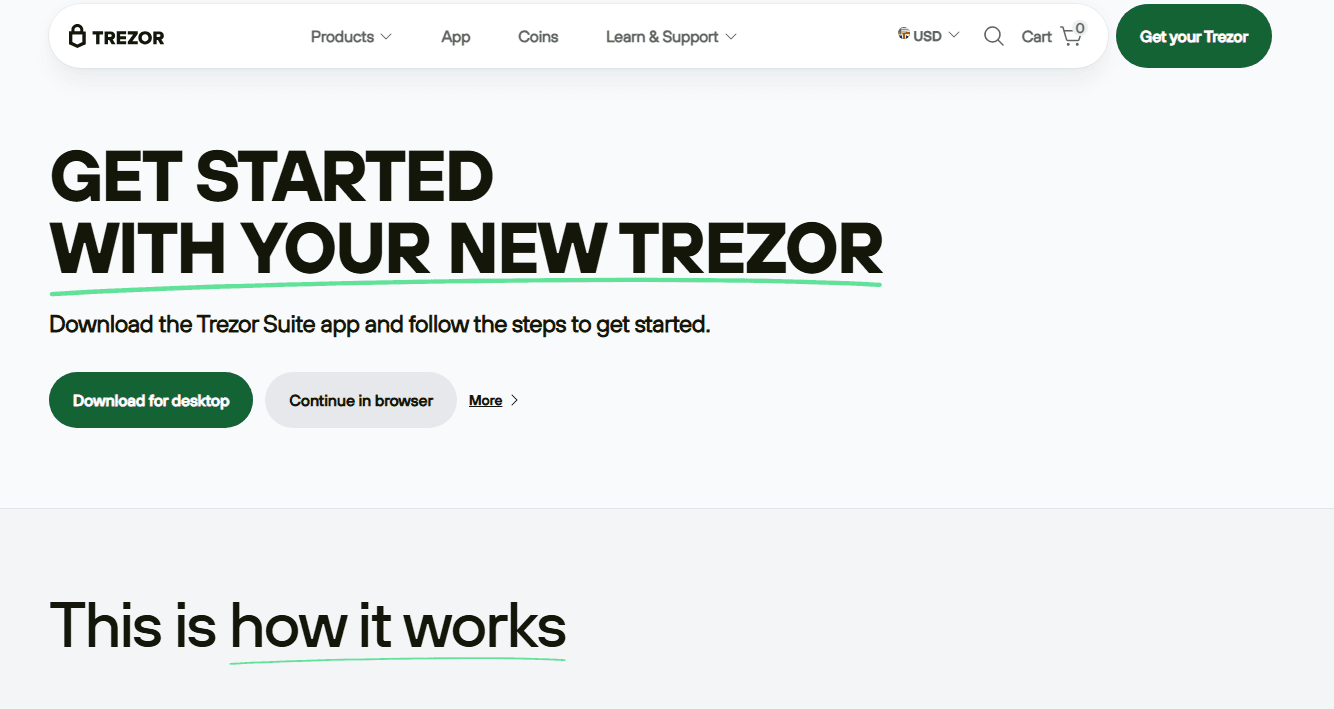
Trezor Suite – A Complete 1200-Word Informational Guide
Trezor Suite is the official desktop and mobile application developed for managing Trezor hardware wallets in a safe, organized, and user-friendly environment. As a companion to the hardware device, Trezor Suite serves as a control center, offering tools for monitoring portfolios, managing accounts, performing security checks, and adjusting device settings. It is designed to create a smooth experience for people who use Trezor products while maintaining the highest possible level of offline protection.
This guide provides a complete overview of Trezor Suite—its features, interface, security philosophy, customization options, and day-to-day functionality. It does not provide actionable steps for purchasing or trading digital currencies; instead, it focuses on understanding how the software works, how it supports security, and why it plays an important role in the Trezor ecosystem.
What Trezor Suite Is and Why It Exists
Trezor Suite is the graphical interface that allows users to interact with their hardware wallet in a visual and organized way. While the hardware wallet itself holds private keys securely offline, Trezor Suite displays information and provides a set of tools for managing those assets.
Its core purposes include:
Showing account balances and activity
Connecting the device to supported networks
Offering advanced security options
Allowing device configuration
Displaying portfolio insights
Providing a clean, intuitive space for everyday use
Because it is built around the hardware wallet, Trezor Suite never stores private keys or sensitive recovery data. All sensitive cryptographic operations occur inside the hardware device itself.
How Trezor Suite Is Structured
Trezor Suite is divided into clear sections so users can navigate it easily. Although the visual design may evolve over time, the general layout remains consistent.
Dashboard Overview
The dashboard is the main screen. It displays:
A total portfolio overview
A list of recent activity
Quick access to frequently used areas
Connection status of the hardware wallet
The dashboard acts as the home base for the entire experience.
Accounts Section
This section lists all connected networks and individual accounts. Each account shows:
Current balance
Recent operations
Network metadata
Organizational tools
Accounts can be named, categorized, or separated based on the user’s needs. Each network functions independently, giving clarity and structure.
Device Settings
Device settings are where hardware wallet preferences are controlled. Users can:
Adjust security features
Change labels
Enable advanced protections
Update firmware
Manage the PIN or passphrase settings
Although these settings appear in Trezor Suite, many actions require physical confirmation on the Trezor hardware device itself.
App Settings
These settings customize how Trezor Suite behaves on the user’s computer or mobile device. They include:
Appearance options
Localization
Notification preferences
Privacy settings
Connection preferences
These features help personalize the workspace to match individual comfort levels.
Security Philosophy Behind Trezor Suite
Since Trezor aims to maintain high security standards, Trezor Suite is built with protection in mind from the ground up. Several principles define its architecture.
Offline Key Storage
All private keys stay inside the Trezor hardware wallet. Trezor Suite simply communicates with the device but never handles the keys directly.
Zero Exposure of Recovery Seed
The recovery seed is never typed into or displayed inside the Suite. It is only shown on the hardware device during the initial setup.
Physical Confirmation Requirement
Every sensitive action requires confirmation on the hardware wallet. This prevents remote interference and tampering.
Encrypted Communication
The Suite uses encrypted channels to communicate with the device, keeping data secure during interaction.
Local Privacy Controls
Users can adjust privacy levels, including hiding balances, clearing certain local data, or enabling privacy-enhancing networking modes.
This layered approach protects users against malware, unauthorized access, phishing attempts, and common digital threats.
Trezor Suite’s User Interface and Ease of Use
The user interface is designed to be simple and beginner-friendly without sacrificing functionality. The visual layout uses a clear color scheme, intuitive icons, and smooth navigation menus. Each section is clearly labeled so users can find what they need without confusion.
Charts and data are displayed in an easy-to-understand format. The interface also includes helpful prompts and explanations, making the Suite accessible to people who are new to digital asset management.
Portfolio Insights and Activity Visualization
One of the roles of Trezor Suite is to give users a broad overview of their overall digital asset holdings. Portfolio insights are not meant for trading—they exist to help users understand the structure of their accounts.
These insights include:
An overview of holdings across different networks
A view of recent historical trends
Activity-related summaries
Organizational tools for separating accounts
Because the information is strictly read-only unless confirmed physically on the device, these insights remain secure.
Privacy and Customization Features
Trezor Suite includes multiple privacy settings that users can enable depending on their comfort and security preferences.
Balance-Hiding Mode
Hide displayed balances when screen-sharing or working in public.
Local Data Controls
Users can clear cached information stored on their local device without affecting the hardware wallet.
Connection Preferences
Suite allows users to choose how it connects to networks, including options that enhance privacy.
Theme Preferences
Light and dark modes make it easier to adapt the interface to different environments.
These customization tools help create a comfortable, safe, and flexible working environment.
Device Management Through Trezor Suite
Although the hardware wallet is the core security component, Trezor Suite allows users to manage its settings easily.
Firmware Updates
The Suite notifies users when a new firmware version is available. Installing updates enhances security and adds new capabilities.
Device Labeling
Users can assign a label or nickname to their device for easier identification.
PIN and Passphrase Management
Security settings can be adjusted through the Suite, though final actions must be confirmed physically on the device.
Backup Checks
The Suite includes options for checking whether the recovery seed was backed up correctly, offering reminders without exposing the seed itself.
Notifications and Safety Alerts
Trezor Suite includes built-in notifications that help users stay aware of important events. These may include:
Firmware update availability
Security reminders
Changes in device status
Information about new features
Notifications are carefully designed to avoid overwhelming users while still providing helpful guidance.
Accessibility and Cross-Platform Compatibility
Trezor Suite supports multiple operating systems, including major desktop environments. A mobile version is also available, allowing users to access their dashboard and manage basic settings on the go.
Synchronization is not cloud-based—each device operates independently to maintain a high level of privacy. This avoids exposing information to online servers while still making the interface available across platforms.
Long-Term Use and Best Practices
To ensure a smooth long-term experience with Trezor Suite, users typically follow general safety principles that apply to all hardware wallets:
Keeping software updated
Maintaining control over the hardware device at all times
Avoiding exposure of sensitive information
Using secure local devices
Disconnecting the hardware wallet when not in use
Trezor Suite supports these habits through clear notifications, consistent reminders, and easy-to-read interface elements.
Conclusion
Trezor Suite is an essential companion application that brings together organization, clarity, and strong digital security. With its clean interface, strong focus on privacy, and integration with Trezor hardware devices, it gives users a safe environment to manage their digital assets without exposing private keys or sensitive data.
Its design reflects a balance between usability and protection, offering intuitive navigation while maintaining strict security standards. Whether someone is monitoring accounts, customizing settings, or viewing their portfolio, Trezor Suite offers a secure and trustworthy space built around the strengths of Trezor hardware wallets.